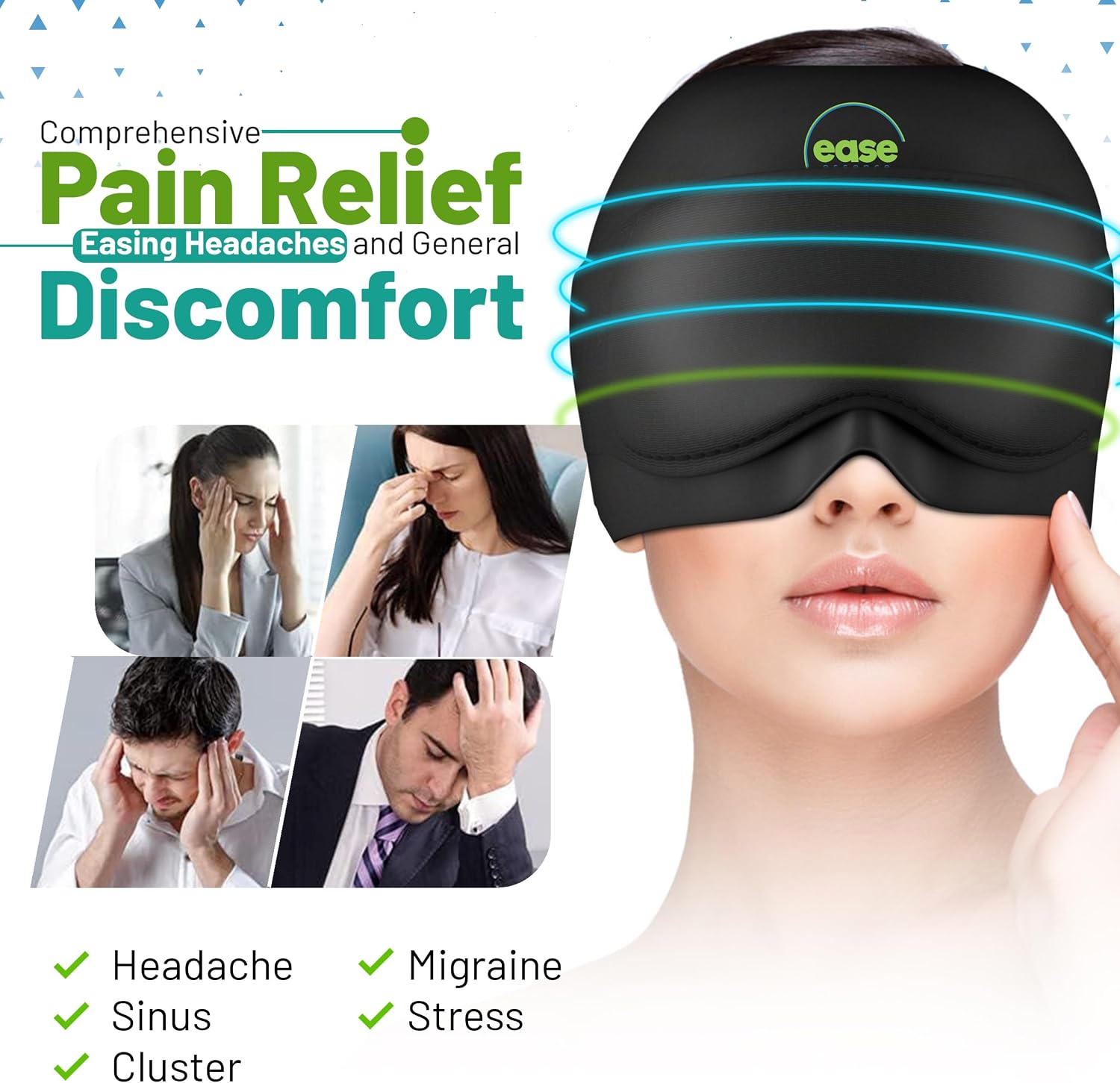
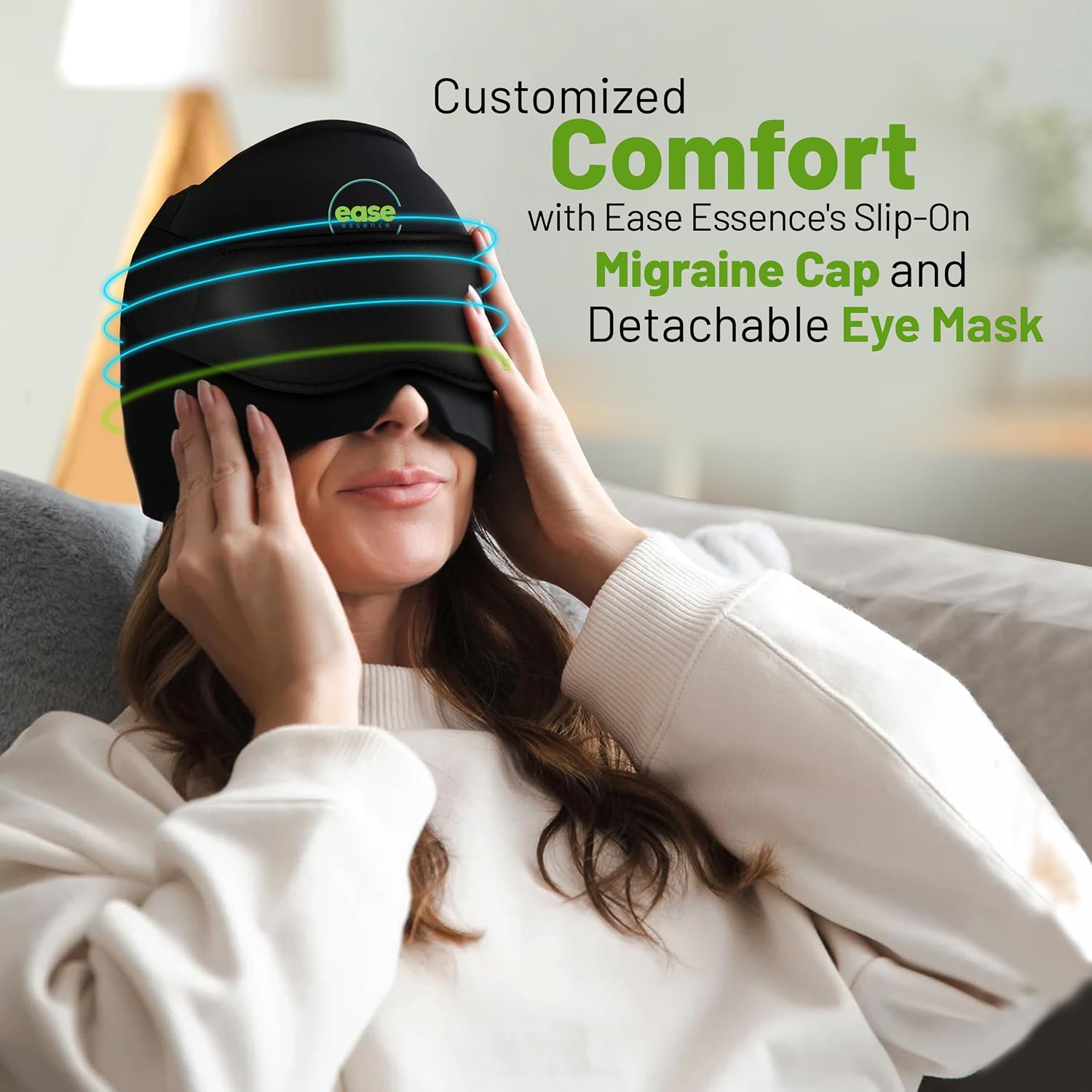
Do migraine relief caps actually work? What the science says
⚡ Key takeaways
- The short answer: for many people, yes — for short-term relief. Reviews of cold-therapy studies find cold can reduce migraine pain intensity in roughly the first 30 minutes.
- Cold works by constricting dilated vessels, calming pain nerves, easing inflammation, and (with gentle pressure) competing with pain signals — the "gate control" effect.
- The evidence is modest but encouraging, and strongest when cold is applied early. Results vary between individuals.
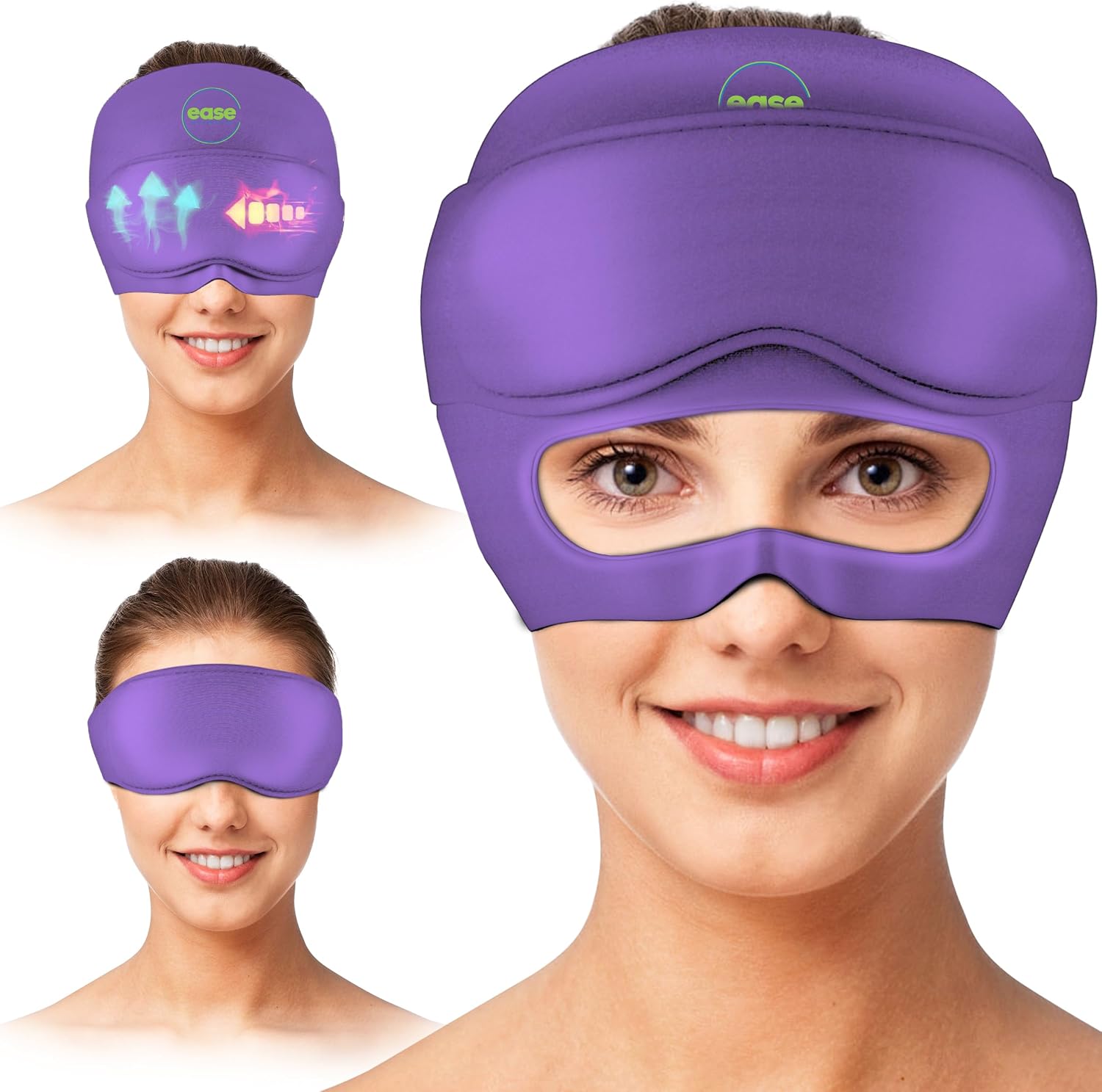
- A cap beats an ice pack on coverage, light-blocking and staying put — and a hot/cold cap lets you use heat when that suits you better.
Migraine caps are everywhere right now — on TikTok, in pharmacies, at the top of Amazon. Which raises a fair question before you spend money on one: do they actually work, or is it hype? Here's an honest, evidence-based answer, including where the science is strong, where it's thin, and who a cap may not suit.
What the evidence actually shows
Cold therapy for headache isn't a fad — it's one of the oldest drug-free approaches there is, and it has been studied. Here's the honest summary:
- Short-term relief is reasonably well supported. Reviews of cold-based interventions for migraine have found that applying cold reduced pain intensity at around 30 minutes compared with non-cold approaches. A frequently cited 2013 study found that applying a frozen wrap to the neck at the onset of a migraine significantly reduced reported pain.
- Long-term benefit is less clear. Cold is a comfort and symptom-management tool for an attack in progress — not a proven preventive that reduces how often migraines happen.
- Results vary between individuals. Cold helps a lot of people, some find heat works better, and a minority don't get much from temperature therapy either way.
Patient organizations such as the American Migraine Foundation list cold compresses among recognized at-home comfort measures. In other words: this is a legitimate, low-risk tool — just not a cure.
Why cold helps (the mechanisms)
Several things appear to happen at once when you apply cold to the head and neck:
- Vasoconstriction. Cold narrows dilated blood vessels, which are part of the migraine process.
- Slower pain signaling. Cooling dulls the nerves that carry pain, reducing how intensely it registers.
- Less inflammation. Cold is a classic anti-inflammatory, the same reason we ice an injury.
- Gate control. Cold and gentle pressure create competing sensory signals that can "crowd out" pain at the level of the nervous system. This is why a cap's light compression may add to the cold's effect. For a deeper dive into the mechanism and how to apply it, see why cold therapy stops a migraine.
Why a cap beats a bag of ice
If cold is the active ingredient, why not just use an ice pack? Because execution is most of the battle during an attack. A purpose-built cap adds three things a flat pack can't:
- 360° coverage. Migraine pain radiates across the forehead, temples and back of the head; a cap reaches all of it at once.
- Light-blocking. Light sensitivity affects up to 80% of people during a migraine. A cap (or its eye mask) delivers cooling and darkness together — two of the most-recommended comfort measures in one.
- Hands-free stability. It stays on while you lie down, so you're not holding a dripping pack to your head with a tired arm.
For the full head-to-head, see how a migraine cap replaces your ice pack.
Does hot or cold work better?
It depends on the headache and the person. Cold is the more common choice during an acute, pounding migraine. Heat tends to help tension-type headaches and the tight neck and shoulder muscles that often accompany them. This is a strong argument for a cap that does both — you're not locked into one mode. Our full comparison: hot vs. cold therapy for migraines.
How to use a cap so it actually works
Whether a cap "works" for you depends a lot on how you use it:
- Apply early. The single biggest factor. Cold works best at the first sign of an attack, not once pain has peaked.
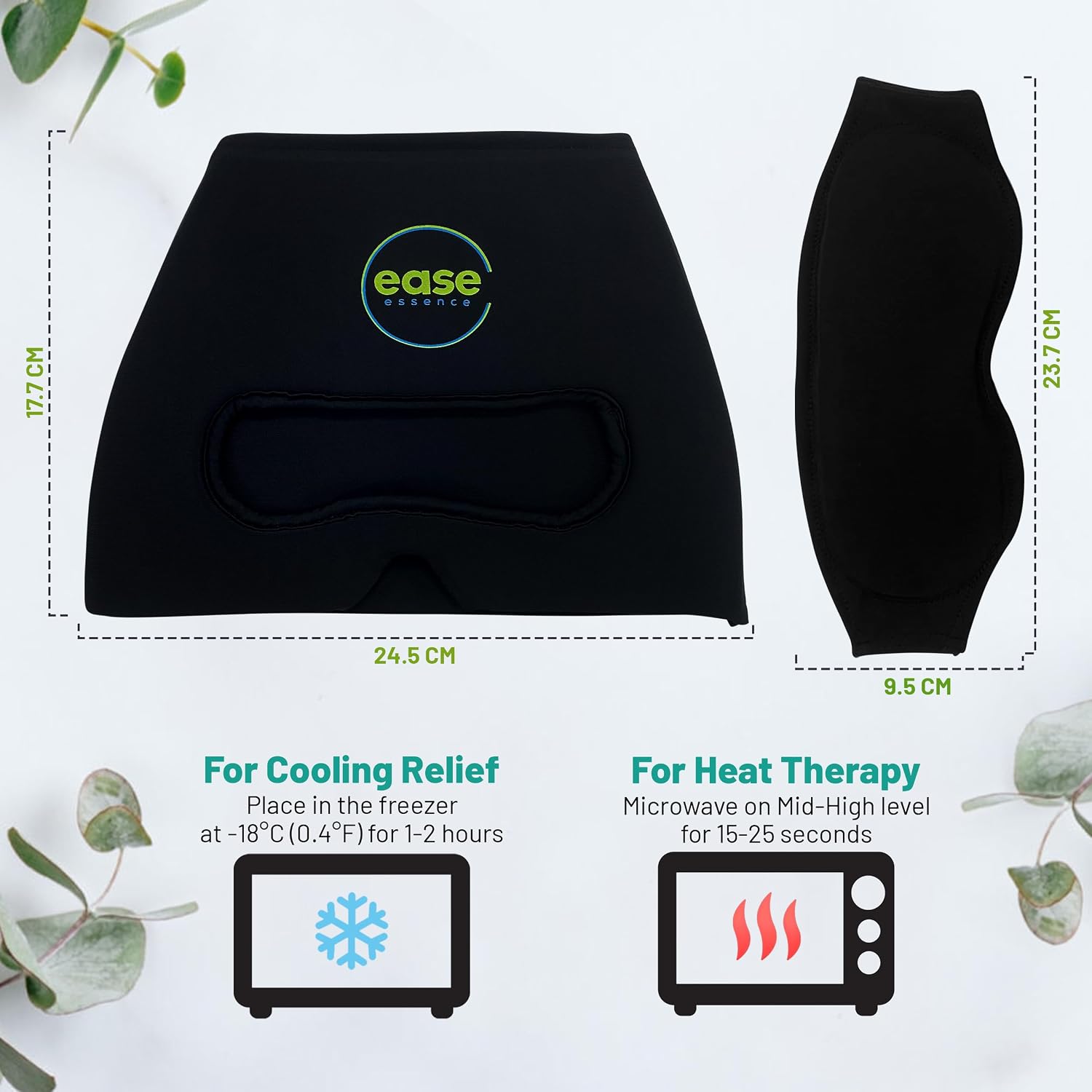
- Freeze it in advance (1–2 hours) so it's ready the moment you need it, and keep it stored in the freezer.
- Protect your skin. Keep a thin fabric layer between gel and skin; limit sessions to ~15–20 minutes.
- Rest in the dark. Combine the cap with a quiet, dark room to stack the effect.
Who should be cautious
Cold isn't for everyone. If you have Raynaud's disease, cold urticaria (hives from cold), reduced skin sensation, or any circulation condition, use cold cautiously and check with your doctor first. And if temperature therapy simply doesn't help you after honest trials of both hot and cold, that's useful information too — a cap is a comfort tool, not a treatment, and it works alongside your medical care rather than replacing it.
The verdict
Do migraine relief caps work? For most people who already find cold or heat soothing, yes — as an effective, low-risk way to take the edge off an attack. The science supports short-term relief, especially when cold is applied early; it doesn't claim to prevent migraines or replace medication. A well-designed cap simply makes the therapy practical: full coverage, light-blocking, hands-free, and reusable. Judged as what it is — a drug-free comfort tool — it earns its place in a lot of people's migraine kits.

A cap built to do it right
360° hot & cold, detachable light-blocking eye mask, sealed odorless gel. Rated 4.3★ by 220 buyers.
Frequently asked questions
Do migraine relief caps actually work?
For many people, yes — for short-term relief. Reviews of cold-therapy studies find cold applied to the head can reduce migraine pain intensity in roughly the first 30 minutes, and cold compresses are a recognized drug-free comfort measure. A cap adds full-head coverage, light-blocking and gentle compression a bag of ice can't. The evidence is modest but encouraging, results vary, and a cap complements — not replaces — medical care.
Why does cold help a migraine?
Cold constricts dilated blood vessels, slows pain-signaling nerves and reduces inflammation. Cold plus gentle pressure can also compete with pain signals in the nervous system — the "gate control" effect. Applying it early, at the first sign of an attack, works better than waiting until pain peaks.
Who should be careful with a cold cap?
People with Raynaud's disease, cold urticaria, or reduced skin sensation should use cold cautiously or ask a doctor first. Keep fabric between the gel and skin and limit sessions to about 15–20 minutes. Some people find heat more effective — a cap that does both lets you choose.
Medical disclaimer: This article is for general education only and is not medical advice. Ease Essence is a drug-free wellness product, not a medical device, and is not intended to diagnose, treat, cure or prevent any disease. If your headaches are frequent, severe, sudden or unusual, please consult a qualified healthcare professional.