Cold therapy for puffy eyes & morning recovery
⚡ Key takeaways
- Cold constricts blood vessels around the eye area, which temporarily reduces fluid accumulation and the swollen appearance of puffy eyes.
- Morning puffiness is very common and often caused by poor sleep, a salty meal, alcohol, crying, seasonal allergies, or extended screen use the night before.
- A chilled gel eye mask is mess-free and reusable — far more convenient than cucumber slices, cold spoons, or damp tea bags.
- 10–15 minutes of cool contact is all most people need for a noticeable morning refresh.
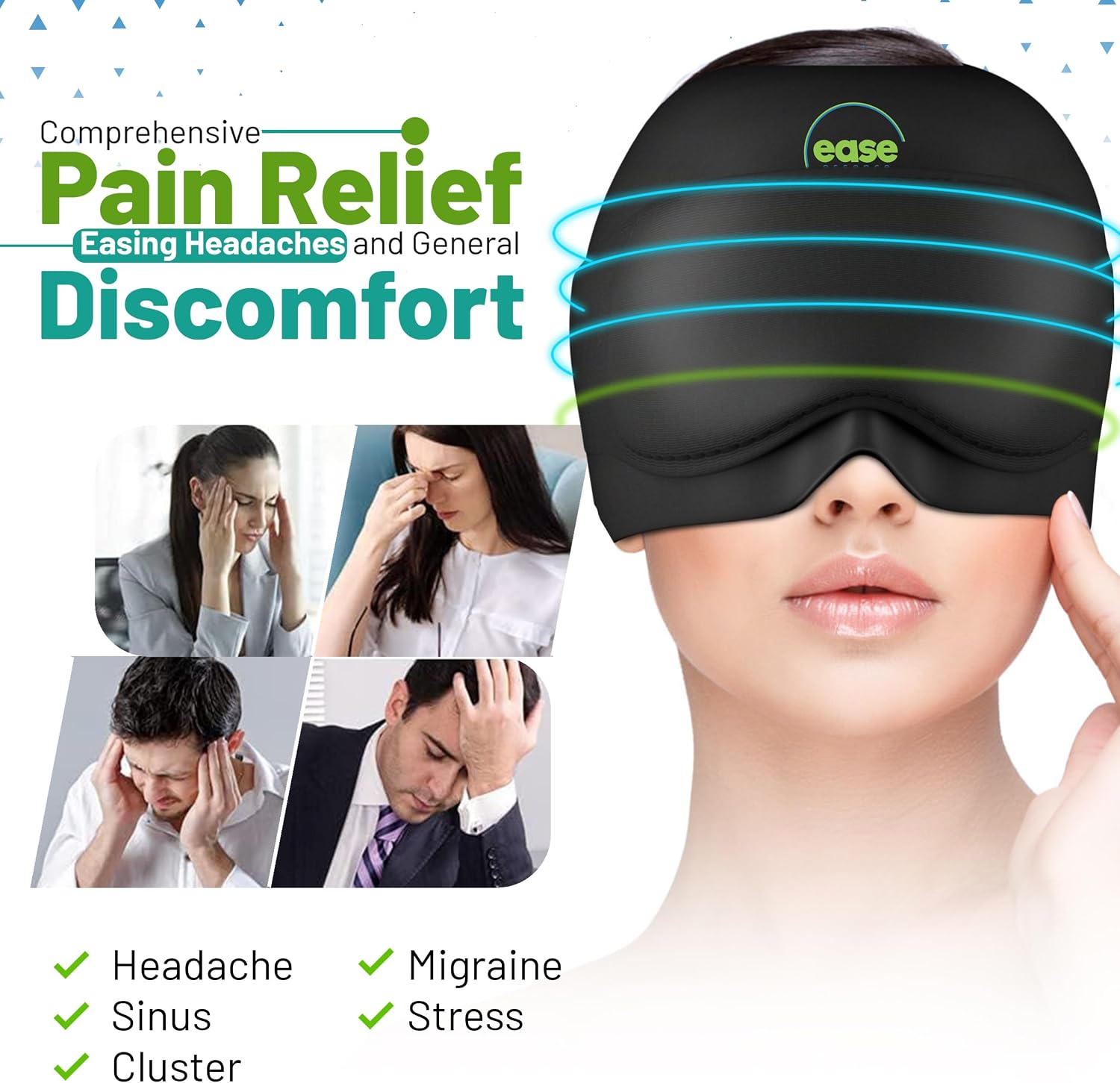
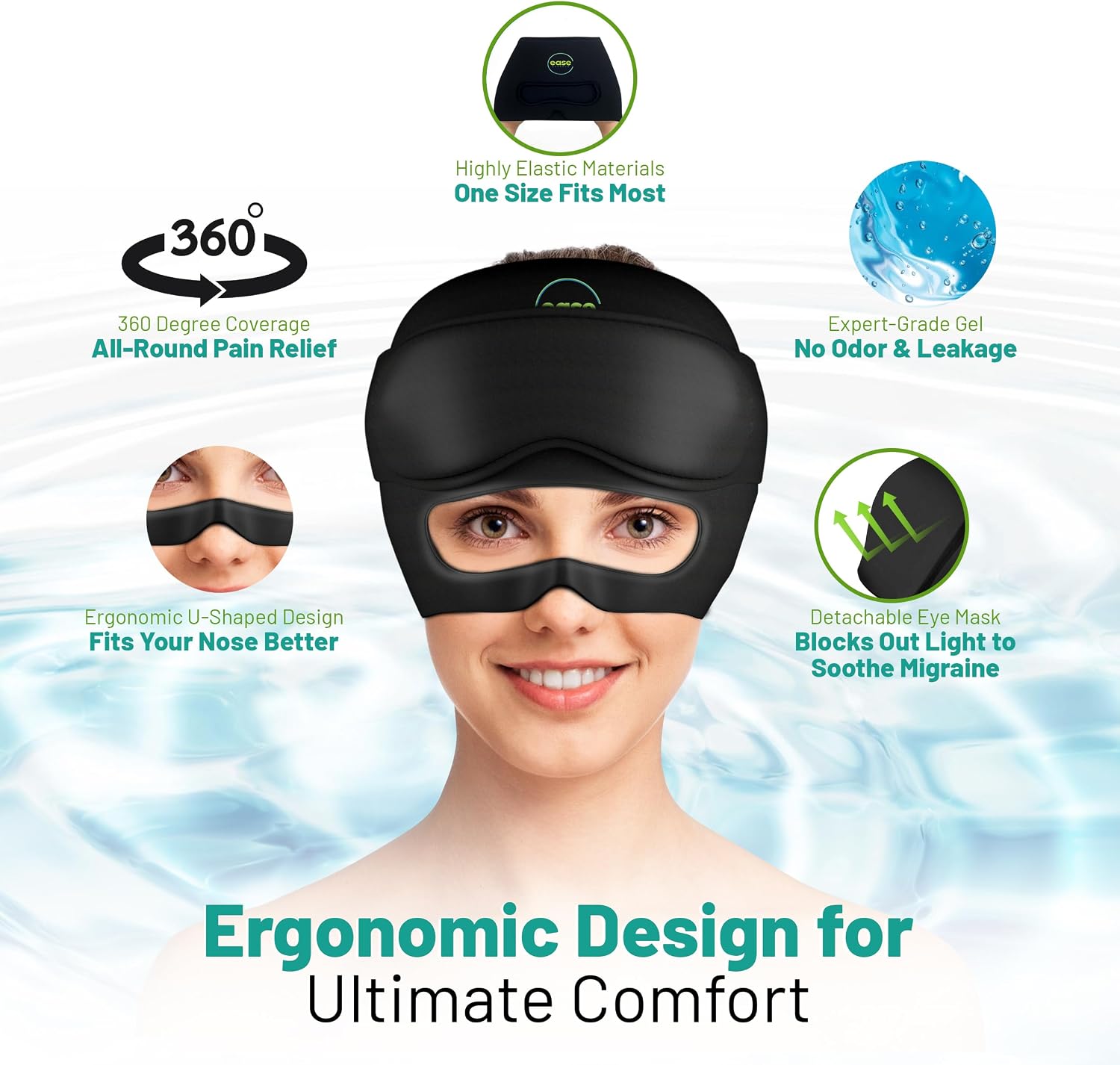
- Bonus: the detachable gel eye mask in the Ease Essence cap does double duty — de-puffing eyes in the morning and easing migraine or tension headache pain any time of day.
You wake up, catch your reflection, and notice the telltale puffiness under and around your eyes. It's one of the most common and frustrating morning experiences — and the instinct to reach for something cool is well-founded. Cold therapy for puffy eyes works by tapping into a basic physiological response, and a reusable chilled gel eye mask makes it easy to build into any morning routine. Here's everything you need to know.
Why do eyes get puffy in the first place?
The skin around the eyes is among the thinnest on the entire body and rests on loose connective tissue that holds very little fat. Fluid that accumulates beneath and around the eyes — a process called periorbital edema — can make the area look swollen or baggy very quickly. A range of everyday factors can cause or worsen it:
- Sleep position and quality. Lying flat for hours allows fluid to redistribute toward the face. Poor or fragmented sleep also reduces the lymphatic drainage that normally clears fluid during rest. Even a good night's sleep leaves some people mildly puffy if they naturally retain fluid.
- Sodium and dehydration. A salty dinner causes the body to retain water to balance electrolytes. That retained fluid can pool visibly under the eyes by morning. Alcohol compounds this because it's both dehydrating and inflammation-promoting.
- Crying. The lacrimal glands produce tears that drain partly into the nasal passages, but excess fluid can also accumulate in the surrounding tissue, leaving eyes noticeably swollen for hours afterward.
- Allergies. Seasonal or environmental allergies trigger an immune response that releases histamine, causing local blood vessel dilation and fluid leakage into surrounding tissue — hence the puffy, itchy eyes that come with hay fever or pet-dander reactions.
- Screen fatigue and eye strain. Extended use of phones, tablets, and monitors reduces blink rate, dries the ocular surface, and can cause mild surrounding tissue inflammation. Over a long evening of screens, you may notice a tired, slightly swollen look by morning.
- Age and genetics. As the skin loses collagen and elastin over time, the tissue under the eyes becomes looser and less able to resist fluid pooling. Some people are also simply genetically predisposed to puffiness regardless of lifestyle.
In most cases, morning puffiness is entirely benign and resolves on its own within an hour or two as you move upright and fluid redistributes. Cold therapy just speeds that process along considerably.
How cold therapy reduces eye puffiness
The science behind applying something cold to puffy eyes is straightforward:
Vasoconstriction — less fluid, less swelling
Cold causes blood vessels to constrict. When the vessels around the eye area narrow, local blood flow decreases and the surrounding tissue receives less fluid from the circulation. This reduction in fluid delivery allows some of the accumulated swelling to ease. It doesn't drain the fluid instantly, but it slows the inflow and gives the body's own drainage systems a chance to catch up.
Reduced local inflammation
Whether the puffiness has a mild inflammatory component — from allergies, crying, or a late night — cold helps to dampen that inflammation by slowing the activity of local inflammatory mediators. The cooling effect can calm irritated, red-rimmed eyes as well as visible swelling.
A refreshing sensory reset
Beyond the physiology, there is a very real "wake-up" effect from applying something cool to tired eyes. The cool contact stimulates sensory nerves around the eye area, increasing alertness and reducing the foggy, heavy-lidded feeling that comes with poor sleep or a long night. It's an underrated aspect of the morning routine for people who find it hard to shake early-morning grogginess.
Cold doesn't permanently fix the underlying cause of puffiness — it's a fast, effective way to reduce the visible swelling while your body catches up with its own morning reset.
A simple morning de-puff routine
You don't need to redesign your morning to get the benefit. A focused 10–15 minute step fits neatly into any schedule:
- Chill the mask overnight. Keep your gel eye mask in the refrigerator so it's ready when you wake up. (If you want a more intense chill, 20–30 minutes in the freezer works — but go straight to the fridge after that to avoid it becoming too rigid.)
- Lie back and apply. Place the chilled mask over your eyes while you lie flat or slightly reclined. Let the cool contact do the work — no pressing or rubbing needed.
- Stay on for 10–15 minutes. That's roughly the time to listen to a morning podcast segment or let your alarm snooze cycle complete. Remove sooner if the cold feels uncomfortable.
- Hydrate immediately after. Drink a glass of water. If sodium retention from the night before contributed to your puffiness, rehydrating helps restore the fluid balance that your body needs to clear the excess.
- Gentle lymphatic movement (optional). A very light tap-massage outward from the inner corner of the eye toward the temples — using your ring finger, which naturally applies the least pressure — can encourage lymphatic drainage. This is completely optional and should feel gentle, never uncomfortable.

De-puff in the morning, ease migraines anytime
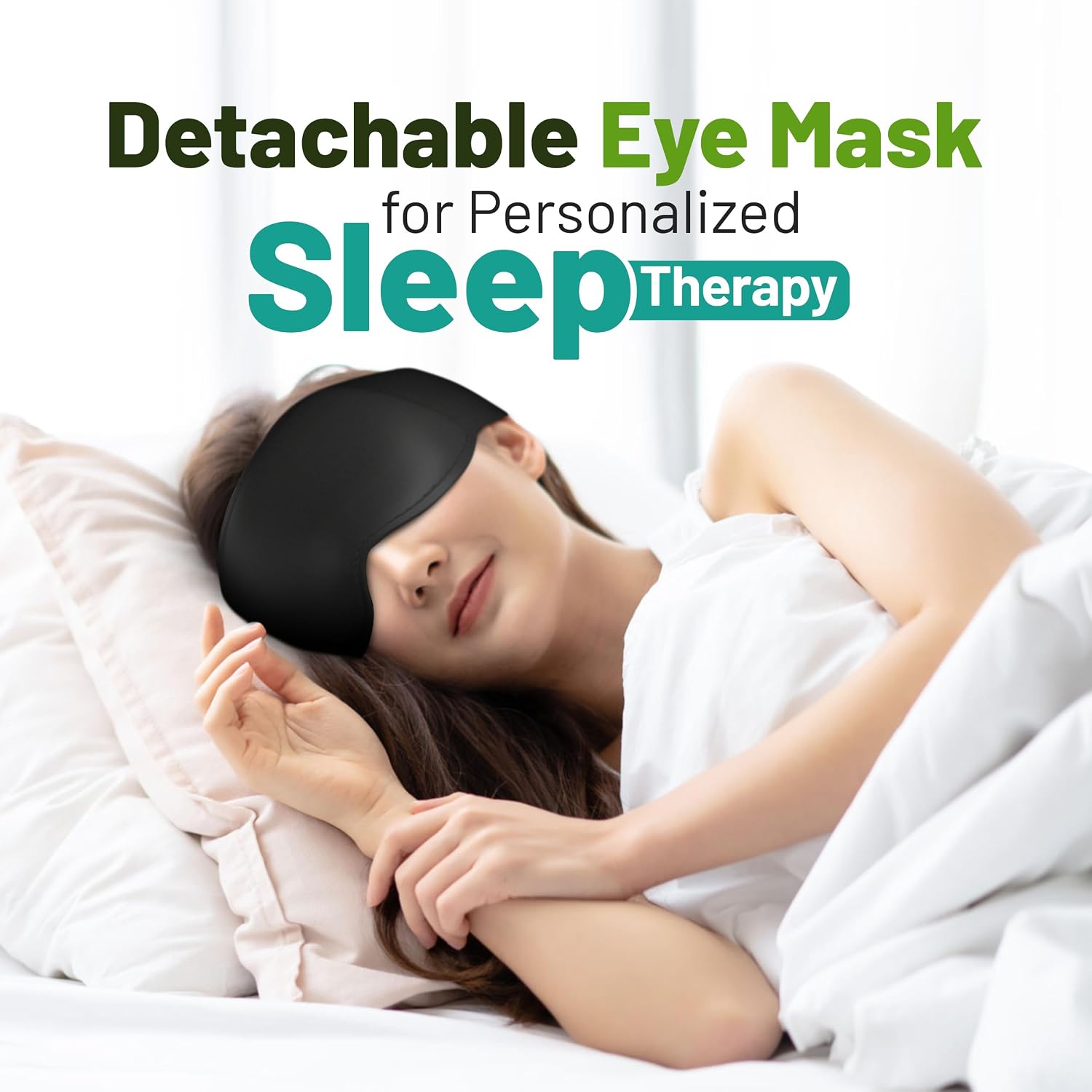
The Ease Essence detachable gel eye mask pops on and off the migraine cap — use it chilled for morning eye recovery or as part of full-head migraine relief.
Cold for screen fatigue & end-of-day eye reset
Mornings aren't the only useful time for a cold eye mask. If you work at a screen for most of the day, you've likely felt the particular tiredness that settles around the eyes by late afternoon — a combination of reduced blink rate, mild dryness, and accumulated muscle tension from sustained focus.
A short cold-mask session during a break — 10 minutes away from screens with the mask on — can serve as a meaningful reset. The cool contact reduces any low-grade inflammation that has built up, gives overworked eye muscles a moment of darkness and calm, and provides the same vasoconstriction benefit that helps with morning puffiness. Think of it as a deliberate pause in the middle of a demanding visual day.
For those who experience eye-area tension as a precursor to a headache or migraine, this kind of proactive break can sometimes help interrupt an escalating discomfort cycle early.
Cold eye mask dos and don'ts
A gel eye mask is simple to use, but a few guidelines keep it safe and comfortable:
Do
- Use fabric between gel and skin. A thin layer — the mask's fabric cover, or a soft cloth — prevents the chill from becoming harsh. Never place bare frozen gel directly on the delicate skin around your eyes.
- Keep sessions to around 15 minutes. That's enough time for the vasoconstriction benefit without prolonged cold exposure to sensitive skin.
- Listen to your skin. If the area feels numb or uncomfortable at any point, remove the mask immediately.
- Store it properly. A sealed gel mask is designed for repeated use. Keep it clean and in a sealed bag or container in the refrigerator or freezer between uses.
Don't
- Don't apply to broken, irritated, or sunburned skin. Cold can further stress compromised skin and slow healing.
- Don't fall asleep with a cold mask on. The extended, unmonitored contact can be too intense for the sensitive eye area.
- Don't expect permanent results. Cold therapy addresses the symptom — the visible swelling — not its root cause. If you're waking up consistently puffy, consider the likely causes: salt intake, hydration, sleep position, allergies, or screen habits.
- Don't ignore pain or persistent swelling. Occasional morning puffiness is normal. Pain, redness, one-sided swelling, or swelling that doesn't improve warrants a conversation with a doctor.
Why a reusable gel eye mask beats the DIY alternatives
Before reusable gel eye masks became widely available, people relied on cold spoons, sliced cucumbers, damp tea bags, or improvised ice packs. These options work to varying degrees, but each comes with real inconveniences:
- Cold spoons warm up extremely quickly, require keeping several spoons in the freezer, and provide only point contact rather than full coverage.
- Cucumber slices are room-temperature unless specifically refrigerated, and they slip and slide on the face. They also leave residue.
- Tea bags (used and cooled) are messy, leave tannin stains on the skin, and are single-use.
- Ice packs or bags of ice drip condensation, are often too heavy for the delicate eye area, and make it impossible to relax comfortably.
A purpose-built sealed gel eye mask solves all of these problems. It holds its temperature far longer than a spoon, stays in place, leaves no residue, is reusable indefinitely with basic care, and applies even, gentle pressure across the entire orbital area. And a mask attached to a broader wellness product — like the detachable eye mask that comes with the Ease Essence migraine relief cap — does even more, doubling as part of a full-head cold (or heat) therapy system for migraines and tension headaches.
The morning ritual worth adding
The eyes are often the first thing others notice, and the first thing you notice in the mirror. Taking 10–15 minutes to chill a gel eye mask and lie back before the day begins is a genuinely low-effort, high-return ritual. It requires no products other than a reusable mask, no skill, and almost no time — and the benefit of arriving at the day looking and feeling more rested is immediate and visible.
If you already own an Ease Essence cap for migraine relief, the detachable gel eye mask is already there, waiting to pull double duty on the nights you sleep badly, after long screen sessions, or whenever your eyes need a reset.
Frequently asked questions
Does cold really reduce puffy eyes?
Cold can help reduce the appearance of puffiness around the eyes. When you apply cold to the area, it causes blood vessels to constrict (vasoconstriction), which temporarily reduces local blood flow and fluid that contributes to swelling. Many people find a chilled gel eye mask reliably takes the edge off morning puffiness. Results vary based on the underlying cause.
How long should I use a cold eye mask for puffy eyes?
About 10 to 15 minutes is a comfortable and effective window for most people. Always keep a thin layer of fabric between the chilled gel and your skin — do not apply frozen gel directly to bare skin. Remove the mask sooner if it feels uncomfortably cold or if your skin becomes numb.
Can I use a cold eye mask every morning?
For most healthy adults, a brief daily cold-mask session is safe and comfortable. A sealed, reusable gel eye mask is mess-free and ready after a quick chill in the refrigerator or freezer. If you notice persistent or worsening swelling, pain, redness, or unusual symptoms around your eyes, consult a healthcare professional rather than continuing to self-treat.
Medical disclaimer: This article is for general education only and is not medical advice. Ease Essence is a drug-free wellness product, not a medical device, and is not intended to diagnose, treat, cure or prevent any disease. Occasional morning eye puffiness is generally benign, but persistent or sudden eye swelling, pain, redness, or changes in vision warrant prompt evaluation by a qualified healthcare professional.